Here’s the pattern that got us going. A founder has a genuinely new thing — a sorbent, a grid controller, a cheaper way to make cement — and a deck written for investors. The deck lands in a reporter’s inbox and dies on slide three. Meanwhile a company with flimsier tech and a crisper sentence gets the feature.
That gap isn’t about hype. Reporters on the climate and energy beats are sharp, overloaded and allergic to vagueness. They need to know what’s new, why it matters this year, and who outside your company can vouch for the numbers — fast. Most founders know all of that already. It just isn’t written down in reporter English yet.
why a harbor town
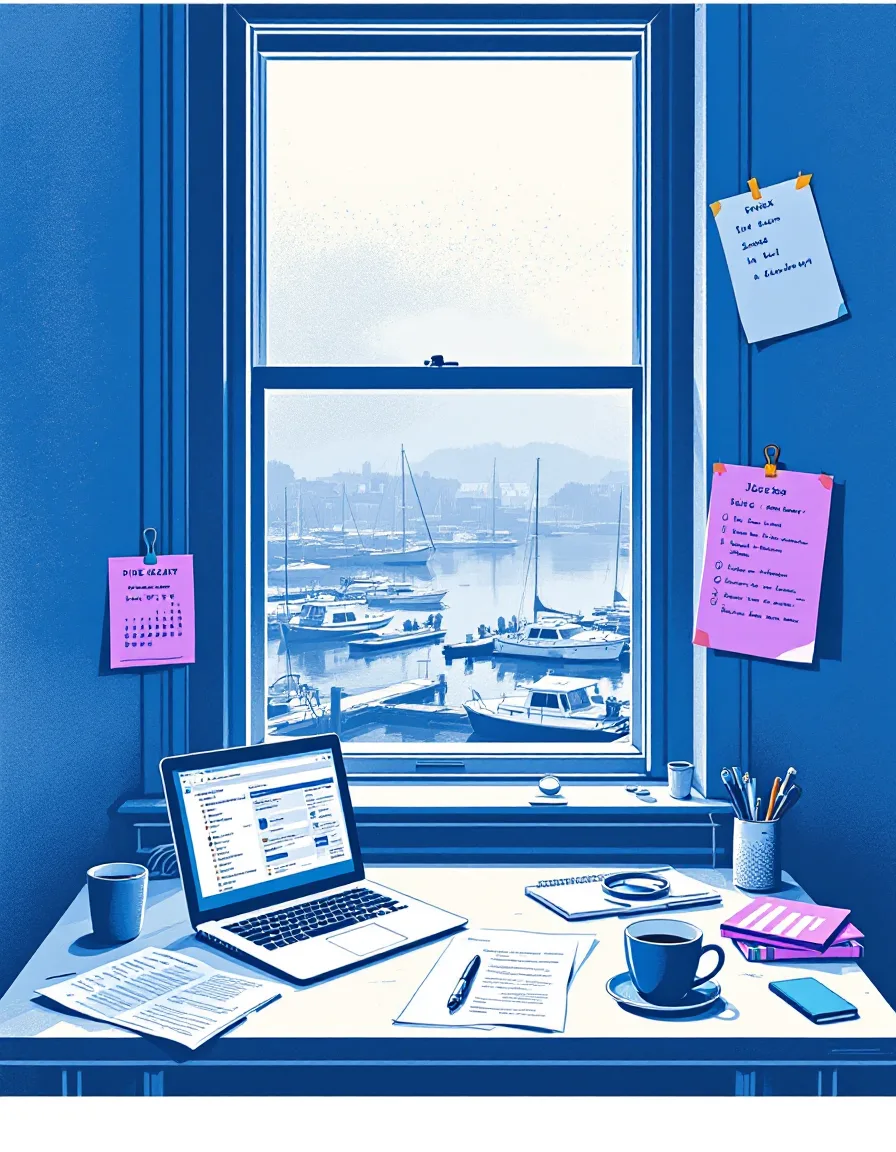
Gloucester has been reading weather, tides and fish prices for four centuries. Nobody here treats climate as a panel topic; it’s the forecast, the heating bill, the water at the end of the street. Working a few blocks from the harbor keeps the stories pinned to what changes for actual people — which, conveniently, is what editors keep asking for.
We keep the roster short on purpose, so every launch gets a writer who can explain your chemistry back to you before pitching it to anyone else.
the deck is for investors. the pitch is for one person on deadline. they are never the same document.
what we’re still nerdy about
Interconnection queues. Offtake agreements. Why a pilot running outdoors in a Minnesota February tells a reporter more than a lab run in June. If you can draw it on a whiteboard, we want to understand it well enough to say it in two sentences — and know which reporter will care about sentence two.